As an Amazon Associate we earn from qualifying purchases. Every product link here is an affiliate link — it costs you nothing extra and never changes what we recommend.
Everything you need. Nothing you don’t.
A baby registry checklist with the reason behind every pick.
The hospital usually gives you a straight bottle that only works if you’re a contortionist. This one sprays upside down, so it reaches without contorting. Check what your hospital supplies; cheaper angled versions work too.
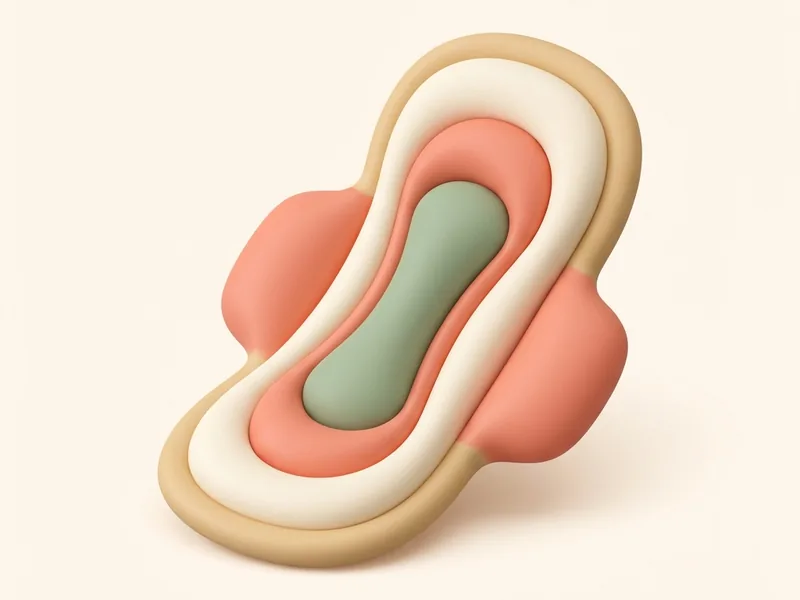
The hospital may provide mesh pairs, but these can be thin and uncomfortable. Always Discreet is absorbent; Frida Mom’s version mainly holds a pad. Check supplies before buying more.
Lanolin or plant-based balm for breastfeeding’s first weeks.
The first two weeks of nursing can leave nipples sore and dry, especially during cluster feeding. Balm coats the skin before or after feeds. Check whether the hospital supplies it.
Milk coming in can mean leaks at night. Disposables give you a fresh pad in the first fortnight, while reusable pairs go in the wash. Buy a small pack first: some people barely leak.
Skip the fussy going-home outfit with 14 snaps. A zip sleeper is easier to fasten, and newborn sizing is worth having: even bigger babies can swim in three-month clothes.
Hospital outlets can be far from the bed, so this lets you use your phone without leaving it charging across the room. It also reaches a nursing chair.
Learned the hard wayThe things people only tell you afterwards
Test a few bottle styles before stocking up
Babies latch differently. Nipple shapes and flow rates vary, and some get refused outright. Start with 2–3 bottles per style so you can test without wasting money on a full set you won’t use.
51 parents said this
Pick two-way zips or magnets, skip buttons
Two-way zips and magnets open from the bottom, so you change a diaper at 3am without undressing the baby. Snaps misalign on a wriggly body and take longer, especially in the dark.
39 parents said this
Buy most gear and clothes secondhand
Most gear is used for weeks or months, then outgrown. Buying secondhand cuts cost while you learn what your baby actually uses. You can resell with little loss if it’s not a fit.
38 parents said this
Load your registry to trigger completion discounts
Retailers give a one-time completion discount on leftover items near your due date. Adding big and small needs now lets you buy them later at 10–15% off when you know what you actually need.
33 parents said this
Buy your car seat brand new
Crash damage is invisible, and plastics and foam degrade with time and heat. Only a new seat guarantees no crash history, known age, up-to-date safety features, and no missing parts or expired components.
31 parents said this
Stock 20-plus burp cloths for rotation
Newborns spit up often. You’ll soak through several a day and need extras staged around the house and in the diaper bag. With laundry every 2–3 days, 20–24 keeps you from running out.
30 parents said this
Try 1–2 swaddles in each style
Babies respond differently to swaddles. Some break out of Velcro, some hate zip sacks. Buy 1–2 each of zip and Velcro first, then double down once you see what actually settles your baby.
24 parents said this
Use cloth diapers as burp cloths
Prefold cloth diapers are thicker and more absorbent than typical burp cloths. They cover more shoulder area, cost less per piece, and survive heavy washing for years, so you buy fewer and replace less often.
24 parents said this
Test small diaper packs before stocking up
Brands cut diapers differently at the legs and waist, and use different liners and adhesives. A poor fit leaks and rubs; certain materials can irritate skin. Buy small packs first, then stock up once you know what works.
19 parents said this
Try a pacifier variety pack first
Babies accept specific nipple shapes, sizes, and stiffness. One style can be ignored while another soothes instantly. Try 2–3 designs first, then buy duplicates of the winner so you’re not stuck with a drawer of rejects.
Where money is best spent. Sleep is the whole game.
★ Top pick
Bedside Bassinet
HALOChicco
A safe-sleep bedside bassinet that swivels over your bed.
For the first three months, swivelling baby over your bed means you can reach in without standing, saving your back. Check the large footprint; some babies refuse bassinets.
Firm on the infant side, softer on the toddler side.
Safe sleep means firm and flat. A soft mattress is a genuine risk, not a comfort upgrade. Choose an approved mattress that fits the crib; premium breathable models are not safer.
Traditional swaddling takes technique you will not want at 3am. Zip versions give the same startle-reflex suppression without blanket folding. Babies vary, so buy one first rather than stocking up.
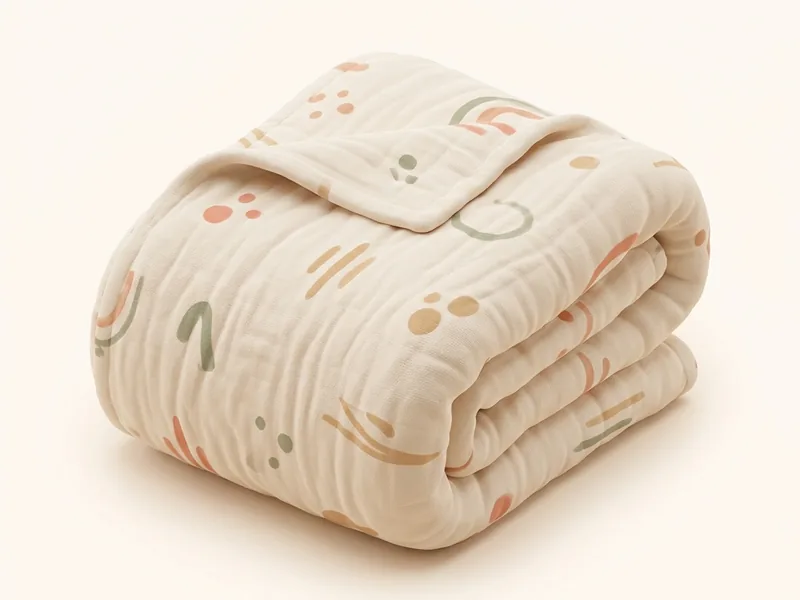
Loose blankets are not safe in the crib until well past a year, so this keeps baby warm safely. Buy two: one can be in the wash after a leak. TOG rating is thickness: 1.0 for most rooms, 2.5 for cold ones.
Tip: Choose an adjustable merino all‑season sleep sack
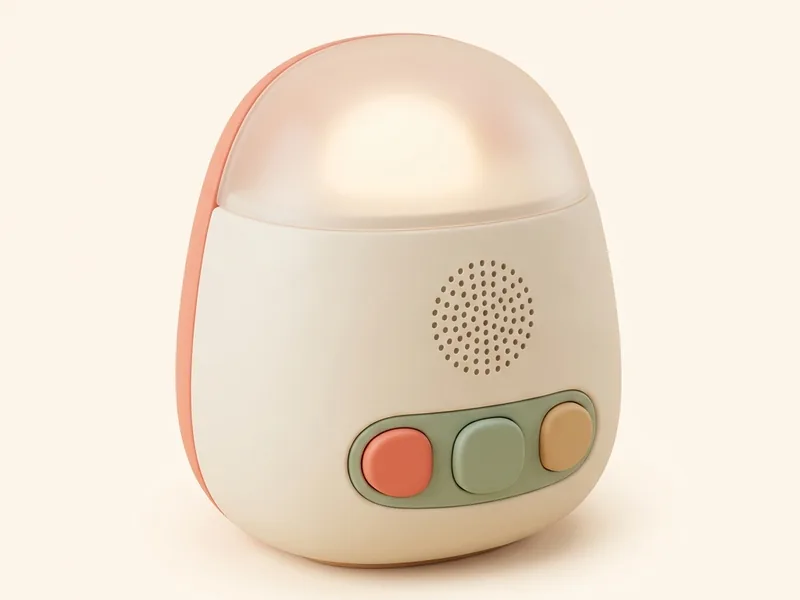
A continuous white noise machine with night light.
Steady sound masks creaks and household noise, so naps are less easily disturbed. Choose all-night playback; a dim night light helps with feeds. A phone or cheap speaker does the same job, and some babies do not need it.
A bassinet that rocks and shushes in response to crying.
It can settle some babies without you getting up. That matters when it is just two of you overnight. It is expensive, and some babies hate the rocking; rent it rather than buy.
A folding crib, changing station and playpen in one bag.
It is the bed at the grandparents’, the crib in a hotel, and the place you can put a crawling baby while you answer the door. Most have a bassinet insert, which makes it a bassinet substitute rather than a second purchase.
Start with a small mixed set, not a full case. The vent can help with gas, but adds parts to wash, and nipple shape decides whether your baby accepts it.
If you use bottles, you’ll wash them several times a day. The rack gives bottles, nipples and pump parts a separate place to dry; check it fits your counter.
Skip the cute shaped ones. Flat cotton prefolds absorb more, wash better, and cost a third as much. Keep them in every feeding room and the changing bag; some babies need several a day, while others barely use them.
Fabric bibs need washing after every meal. Silicone rinses clean and dries quickly, while the pocket keeps dropped food off the floor. Buy a sturdy one; flimsy versions catch little, and some babies prefer smocks.
The IKEA one wipes clean in seconds and costs almost nothing. The Stokke is the buy-once version: it supports upright sitting, pulls up to the table, and lasts into adulthood. Wait until baby can sit before buying either.
The one-piece mat gives children nothing separate to grab, so it stays put better than a loose suction ring. It is not foolproof: some children lift them, and some high-chair trays defeat suction.
Skip hard-spout sippy cups. Straws are a practical first step for learning to drink; start around six months. Open cups help too, but expect spills while your baby learns.
If you use formula, mix the day’s bottles in the morning, chill the pitcher, and pour as needed instead of measuring and shaking each feed. It also creates fewer bubbles. If your baby refuses cold formula, you will still need to warm each bottle.
Not strictly necessary. A jug of hot water works, but at 3am with a screaming baby, three minutes feels like thirty. Buy it only if your baby rejects cold milk; plenty drink it straight from the fridge.
Hospitals hand out Soothies, but babies accept one nipple shape and reject the rest. Start with two or three types, then buy duplicates of the winner; some babies reject pacifiers. A lost pacifier at 2am makes a bad night.
Feeding takes 45 minutes and happens eight times a day. The strap and firm, flat surface make positioning easier while supporting your arms and back. If a regular pillow and armrest already work, skip it.
If you plan to pump, a double electric pump lets someone else do a feed and saves your hands versus a manual. Choose a battery-powered model so you are not tied to a socket. Check insurance or provincial coverage first.
Get a sleep bra for the fourth trimester and one hands-free pumping bra; it holds pump parts against your breasts. Two-in-one designs let you nurse without changing bras. Buy after your milk comes in if you can; sizing beforehand is a guess.
A suction cup that catches letdown on the other side.
It catches letdown from the breast you are not feeding on, saving milk that would soak a nursing pad. The suction can draw out more milk than you want, so a no-suction bra collector suits simple leaking better.
Without one, you sit still holding two funnels for twenty minutes, eight times a day. With one, you can eat, work or hold the baby. Get the right flange size too.
Try one pack first: fit affects leaks and irritation. Skip a newborn stockpile, then subscribe once size 1 works; some babies outgrow newborn before you use the pack.
A short, fragrance-free ingredient list suits newborn skin while you work out what irritates it. Cotton pads and water, or cheaper fragrance-free wipes, work just as well.
The steel Ubbi takes ordinary bin liners, not proprietary cartridges. Its sealed lid holds smell in when closed, though it reeks briefly when opened. That saves a few hundred dollars over two years.
Keep two in the diaper bag for blowouts, spit-up, wet swimsuits or dirty clothes. The zip isolates mess until laundry, and the bag washes with the contents. A ziplock works too.
Public change tables range from grim to nonexistent. A foldable, wipeable mat gives you a cleaner surface on beds, floors or out and about. Check your diaper bag first: many already include one.
Newborns are slippery and have no neck control. An angled support props them up and leaves both hands available, but it is not essential: a clean sink or basin works, and some Angelcare supports are too large for sinks.
The hood covers wet hair while you dry the rest. Buy an adult-sized cotton towel, not a tiny baby one, and skip stiff appliqués. A normal bath towel works just as well if you already have one.
Your elbow is fine for this, but it cannot show you the temperature. Useful in the first few weeks if you keep second-guessing the water; skip it if you want a lean registry.
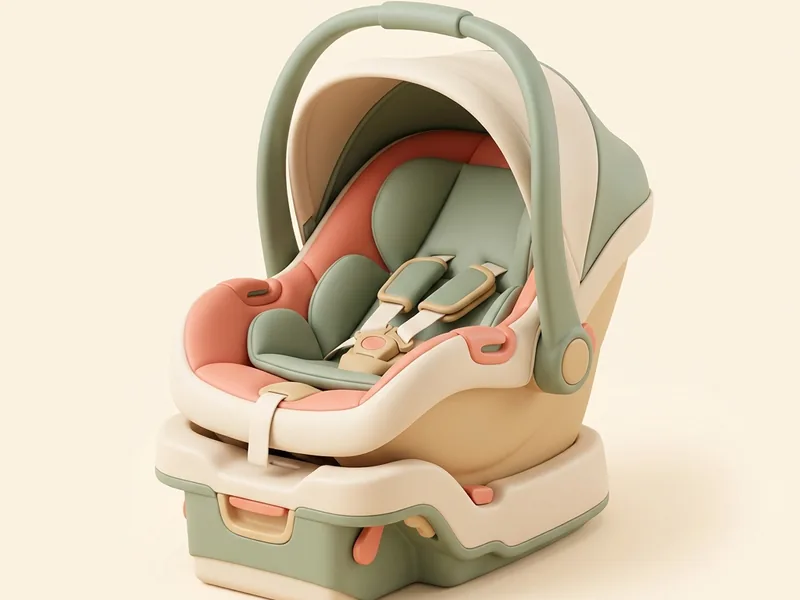
The hospital will not let you leave without one. The carrier clicks into its base, so you can strap in a newborn indoors and lift them out. Buy new; you cannot see their crash history or know their expiry dates.
Choose one with a high rear-facing weight limit. Extended rear-facing is the single biggest safety difference you can buy, but check the fit: some models make the front passenger seat unsafe. Buy it close to use, because seats expire.
A full-size stroller your infant seat clicks into.
Check the adapter for your car seat before buying either. The full-size frame gives you a large basket and handles varied surfaces, but it is heavy and takes up most of a car boot. Choose it for walking, not constant loading.
Fits within cabin baggage limits, so you can take it onto the plane instead of leaving it with baggage handlers. It is less useful for long days when you need lots of storage.
Lets you see a rear-facing baby in the rear-view mirror.
Cheap, and lets you glance at a rear-facing baby without pulling over. It is not essential, and some car-seat checks recommend removing mirrors because they could shatter in a crash.
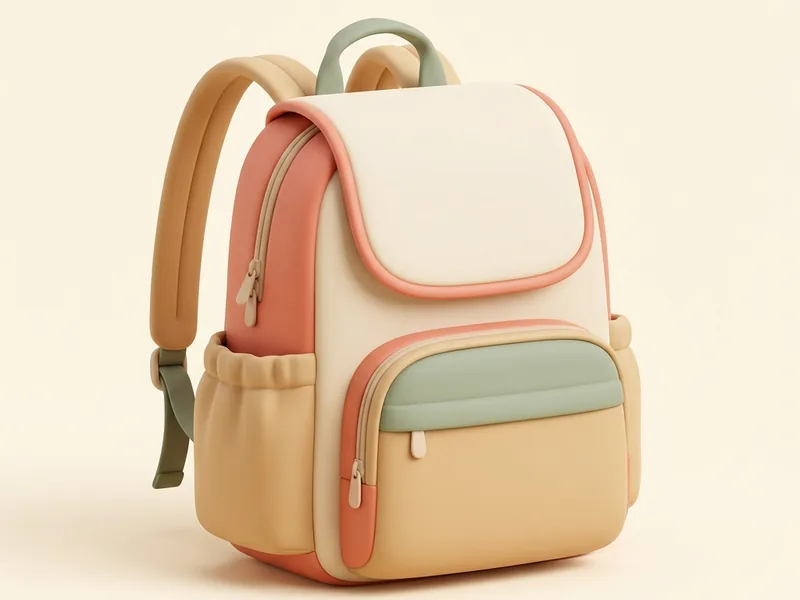
Backpack, because you’ll carry the baby with the other arm. Insulated pockets contain bottle spills and keep bottles cool with an ice pack; the included mat gives you a surface. A normal backpack works without them.
If your baby will only sleep on you, a carrier gives you your afternoon back and leaves your hands free. Choose one rated from newborn without an insert, with hip support in an M-shape; fit and comfort vary by body.
It moulds to a newborn, keeping them close for contact naps while your hands stay free. The learning curve is real, some babies hate wraps, and you’ll outgrow it sooner than a structured carrier.
Quick in, quick out, and light enough to leave in your bag. The learning curve is real, and a structured carrier is more comfortable once baby gets heavier.
Misaligning twenty-six snaps in the dark is miserable at 3am. A two-way zip opens from the bottom for a diaper change while the top stays on; some babies fit better in snaps.
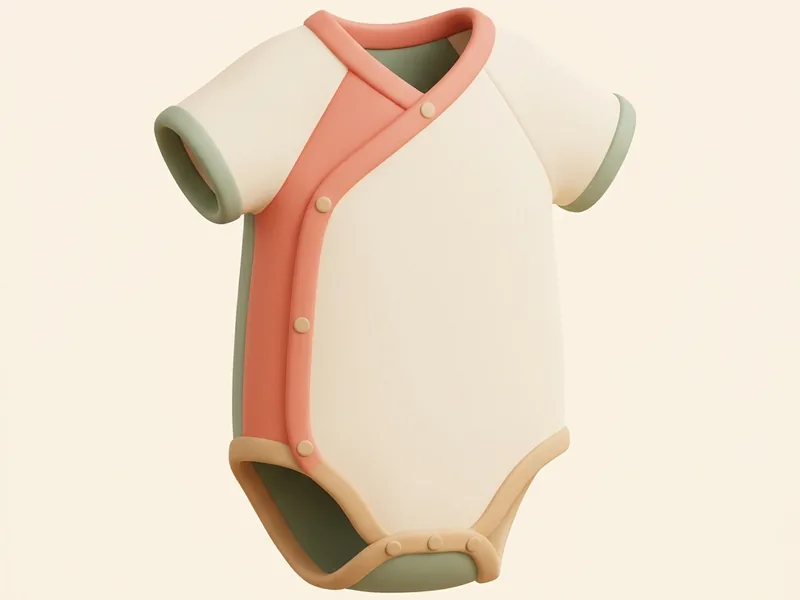
The umbilical stump makes pull-over necks awkward, and newborns often hate fabric over their face. Side snaps let you dress them without forcing their head through a hole, and remove them after a blowout. Only needed briefly.
Boring until 2am, then the most important shelf in the house.
★ Top pick
Digital Rectal Thermometer
Frida BabyVicks
A fast digital rectal thermometer.
Under three months, any fever means an emergency-room trip, so you need a reading you trust. Rectal is the accurate method for newborns; ear and forehead are for later.
It sounds appalling, but the filter keeps mucus out of your mouth. Direct suction clears congestion better than a bulb syringe. Keep it ready for the first cold; some babies find an electric aspirator easier, and cleaning this one is fiddly.
Clippers can nick a finger. The rotary file cannot break the skin, so you can smooth nails while your baby sleeps. Frida Baby’s version is slow and may struggle with tougher nails.
Helps a stuffy nose and dry cough during colds. Use cool mist only, never warm; warm ones are a scald risk. Choose one you can open fully to clean, then clean weekly.
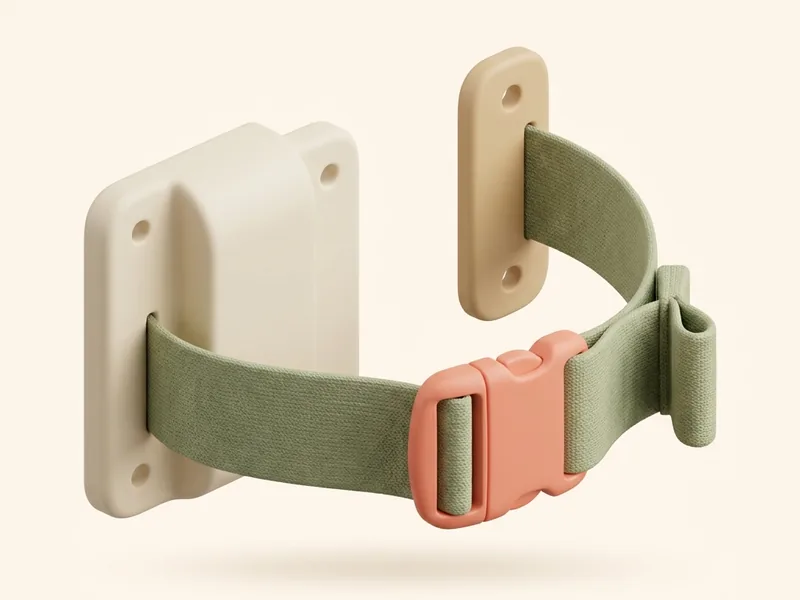
Tip-over accidents are a leading cause of serious injury in this age group, and they are entirely preventable. The least fun ten dollars you will ever spend, and the most important.
This is what makes the nasal aspirator work. Suction alone on dried mucus achieves nothing; two drops up each nostril first loosens it, and then the aspirator earns its reputation. Buy it at the same time or you will be out at 11pm looking for it.
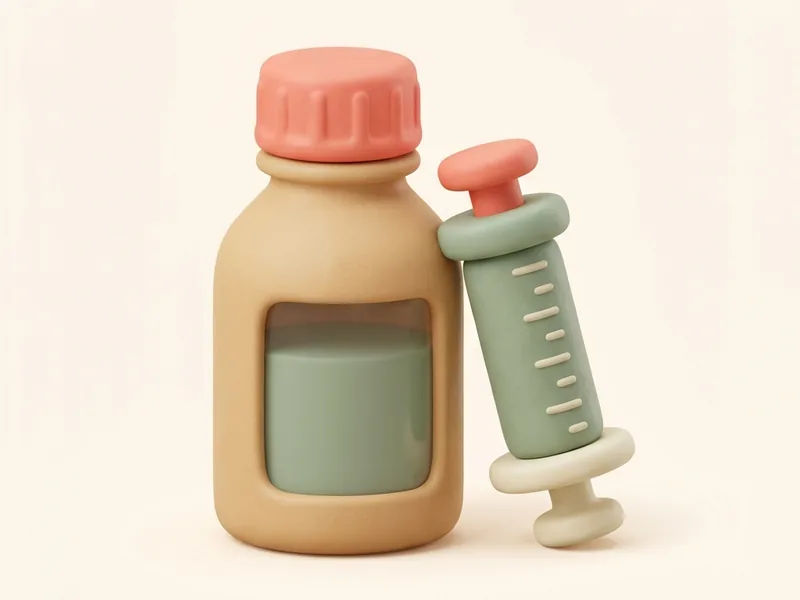
Every parent buys this eventually, and always at the worst possible hour. Get it before you need it, and check the weight-based dose with your doctor or pharmacist — infant and children’s strengths differ, and under three months nothing goes in without a call first.
Put baby on it while you need both hands. Hanging toys give them something to look at, kick and grab; a blanket works for tummy time, and some babies reject play gyms.
Lightweight, fold-flat bouncer for putting baby down.
The other place to put a baby down. It folds flat and goes room to room while you shower or cook. A cheaper bouncer does the same job, and some babies hate them.
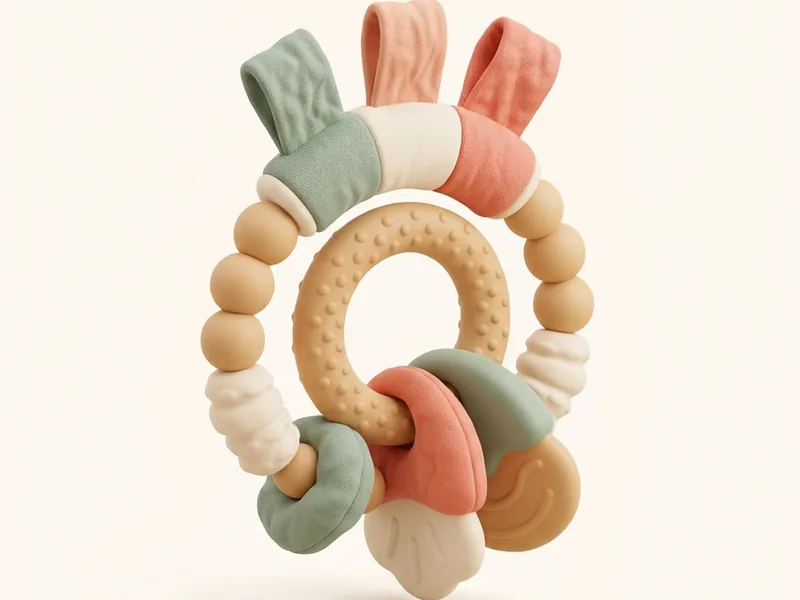
Newborns see high-contrast black and white far better than pastels. Brightly coloured, crinkly toys give them something to grasp, mouth and bat at. Buy a few types, not a drawerful.
Reading from the beginning has strong evidence behind it. Board pages survive chewing and drool; paper ones last one afternoon. Borrow them from the library if you want variety without filling your shelves.
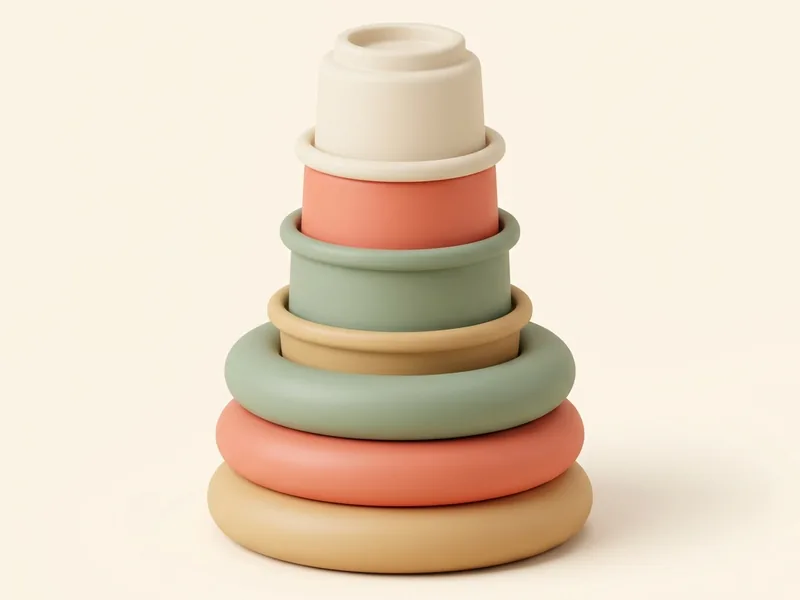
They start as grasp-and-mouth toys, then become cups for filling, bath play and tower-building. They nest for storage and need no batteries, so one cheap set stays useful as play changes.
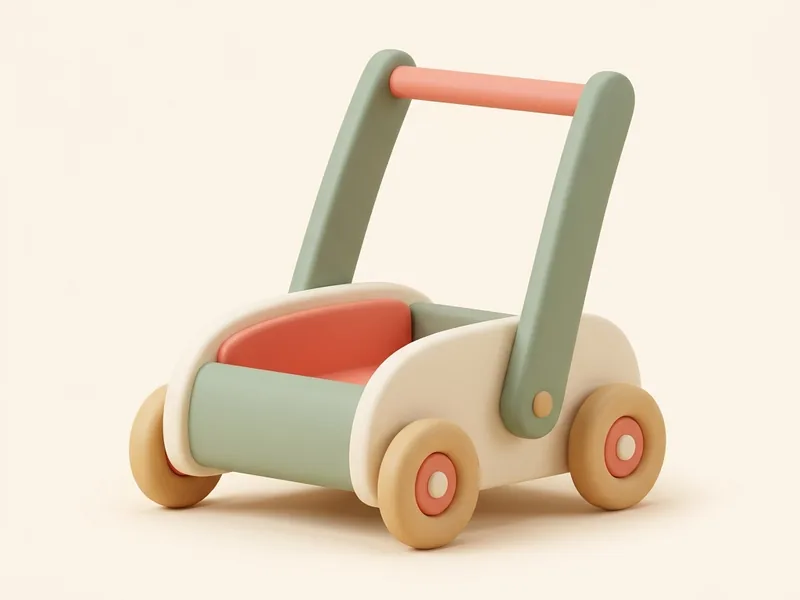
This gives a baby something to hold while cruising, without the seated position of a baby walker. It is a toy, not a walking shortcut, and many babies manage without one.
After a vaginal birth, spray it onto sore skin instead of rubbing on a balm. It cools without making you touch tender tissue. The hospital may provide one, and some people barely use it.
Tip: Add postpartum recovery supplies to your registry
If you have a vaginal birth, the built-in cold pack gives cold relief without freezing pads or taping ice to one. They can feel bulky, and your hospital may provide enough.
Pain medication can constipate you; Colace softens stool, making the first bowel movement easier after stitches or surgery. Ask your provider first—the hospital may supply it.
Especially useful after a caesarean: it supports a weak core and reduces the pull on your incision when you stand. Ask your provider first; the hospital may provide one, and extra pressure can feel restrictive.
They replace shifting mesh underwear and pads with one garment that stays put and absorbs more. High-waisted styles sit above a C-section incision. The hospital may provide enough, and some people prefer pads.
Layer one on a pad, or under an ice pack, for cooling relief around stitches and haemorrhoids. Useful in the first couple of weeks, but check what your hospital sends home before buying more.
You will spend hundreds of hours feeding and settling here. Sit in one first: the right arm height supports the baby. A recliner helps during long feeds, but is not essential.
Three gives you one on the bed, one in the wash, and one ready for the 2am change. Layer them with mattress protectors so a leak means stripping the top set. Wash daily and you can manage with fewer.
Put it beside the bed or move it to the changing mat. A dim red or warm setting gives enough light for a feed or diaper change without switching on the main light.
No picks match every filter at once. Loosen one and they will come back.
What parents work out the hard way
Advice that came up again and again — the practical things nobody puts on a box. Where a count is shown, it is how many separate parents independently gave that same advice.
Pick two-way zips or magnets, skip buttons
Two-way zips and magnets open from the bottom, so you change a diaper at 3am without undressing the baby. Snaps misalign on a wriggly body and take longer, especially in the dark.
39 parents said this
Buy most gear and clothes secondhand
Most gear is used for weeks or months, then outgrown. Buying secondhand cuts cost while you learn what your baby actually uses. You can resell with little loss if it’s not a fit.
38 parents said this
Load your registry to trigger completion discounts
Retailers give a one-time completion discount on leftover items near your due date. Adding big and small needs now lets you buy them later at 10–15% off when you know what you actually need.
33 parents said this
Buy your car seat brand new
Crash damage is invisible, and plastics and foam degrade with time and heat. Only a new seat guarantees no crash history, known age, up-to-date safety features, and no missing parts or expired components.
31 parents said this
Use cloth diapers as burp cloths
Prefold cloth diapers are thicker and more absorbent than typical burp cloths. They cover more shoulder area, cost less per piece, and survive heavy washing for years, so you buy fewer and replace less often.
24 parents said this
Test small diaper packs before stocking up
Brands cut diapers differently at the legs and waist, and use different liners and adhesives. A poor fit leaks and rubs; certain materials can irritate skin. Buy small packs first, then stock up once you know what works.
19 parents said this
Stock clothes in multiple larger sizes
Newborn size can be outgrown in days, or skipped entirely. Growth surges hit fast, and 3–6 months is when blowouts are common, so you need more backups then. Register newborn, 0–3, and 3–6.
17 parents said this
Buy baby clothes secondhand in bundles
Babies outgrow early sizes in weeks, so 0–6 month clothes see minimal wear. Thrift, consignment, and local swap groups offer big bundles for little money, giving you depth in each size without paying full retail.
16 parents said this
Skip shoes until your baby walks
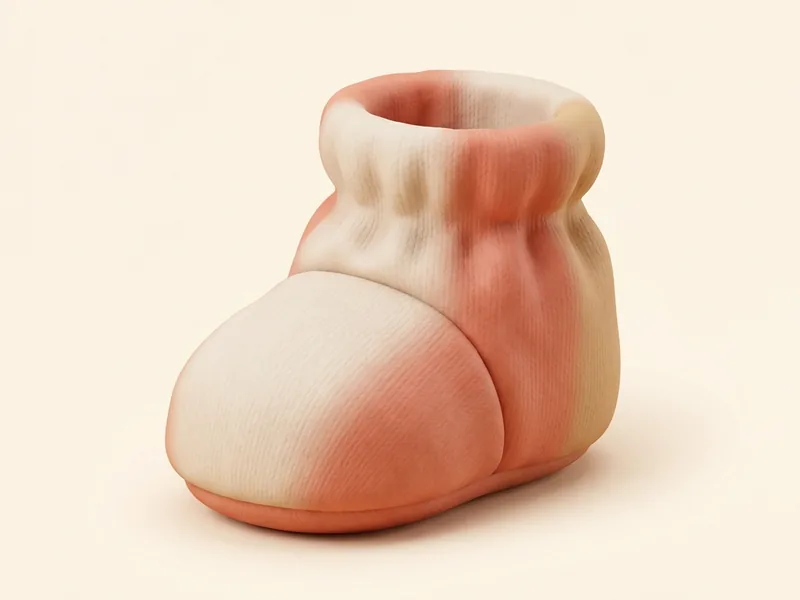
Before walking, shoes add nothing and just get kicked off. Barefoot or socks help balance and foot muscles when learning to stand. Use soft booties for warmth. Buy first shoes once steps are steady.
15 parents said this
Get your breast pump through insurance
In the US, health insurance covers a breast pump at low or no cost. Order through your plan’s in-network supplier and skip listing a second pump. Save registry funds for parts, extra flanges, and hands-free bras.
15 parents said this
Start with essentials, add as needs arise
Newborn needs change fast, and 12–24‑month gear won’t help in the first weeks. Bulk buys lock you into sizes and products your baby may outgrow or reject. Fill gaps as they appear instead of filling cupboards before birth.
14 parents said this
Keep one small can of formula at home
Breastfeeding can be delayed by supply, latch, illness, or medication. A sealed can on the shelf means you can feed at 3am without a frantic drive. Powder stores well unopened; you only open it if you need it.
13 parents said this
Keep 3–4 crib sheets and 2 protectors
Babies spit up and blow out. At 2am you strip the wet sheet and pull on a clean one without waiting for laundry. Two waterproof mattress covers let one dry while one stays on the bed.
13 parents said this
Borrow or buy carriers secondhand first
Fit is personal and newborn size changes quickly, so one style can be perfect one month and wrong the next. The resale market is big, so you can test types cheaply and resell what doesn’t work with minimal loss.
13 parents said this
Baby registry questions, answered
What do you actually need for a newborn?
Far less than a registry suggests. In the first month, a baby needs somewhere safe to sleep (a bassinet or crib with a firm, flat mattress), a way to be fed (bottles, or nursing supplies, usually both), diapers and wipes, a handful of zip-up sleepers and swaddles, a car seat if you own a car, and a way to be carried. Everything else is comfort or convenience: useful, but not needed on day one.
How many items should be on a baby registry?
Most registries land between 80 and 120 items, enough range for gift-givers at every budget. What matters more than the count is the spread: a few big-ticket items (car seat, stroller, crib), plenty in the $20–50 range where most people buy, and consumables like diapers and wipes that never go to waste.
When should you start a baby registry?
Most parents start between 20 and 24 weeks, after the anatomy scan. That timing leaves room to research the expensive decisions — car seat, stroller, crib — and add anything a baby shower does not cover. Registries usually stay open for a completion discount after the birth, so nothing has to be finalised early.
What should you not buy for a new baby?
Skip wipe warmers, bottle sterilisers and shoes for a baby who cannot walk. Skip sleep positioners and crib bumpers too, and not because they are a waste of money — those two are actively unsafe. Seated baby walkers are banned in Canada and discouraged elsewhere; a push walker does the same job safely. One thing not to skip: newborn-size clothing. Buy a few pieces with the tags on rather than none — plenty of eight- and nine-pound babies wear it for a month, and skipping it entirely is the advice people come back angriest about.
Do you link to Amazon.ca or Amazon.com?
Both. The site guesses from your device’s timezone and sends you there. You can switch at the top of the page at any time. Your choice is remembered on your device.
How this list is put together
Most registry lists run long because long lists sell more. This one is short on purpose. Every entry must answer one question: what problem does it solve at 3am, in a real house, with a real baby?
Everything below is grouped by category and tagged by stage, so you can see what you need before the birth and what can wait until month four. Fewer than half are marked as genuine essentials. The rest are honest nice-to-haves, and several are things people genuinely disagree about — those keep their place here, without a badge, because a split verdict is information too. Where a cheap option is as good as the expensive one, we recommend it. Where something is a splurge, it is labelled a splurge.
Use the filters to narrow by stage or budget, or jump straight to a category. Each one has its own page with the picks and the questions people ask.
 ★ Top pick
 Frida Mom
 Always
 Lansinoh
 Earth Mama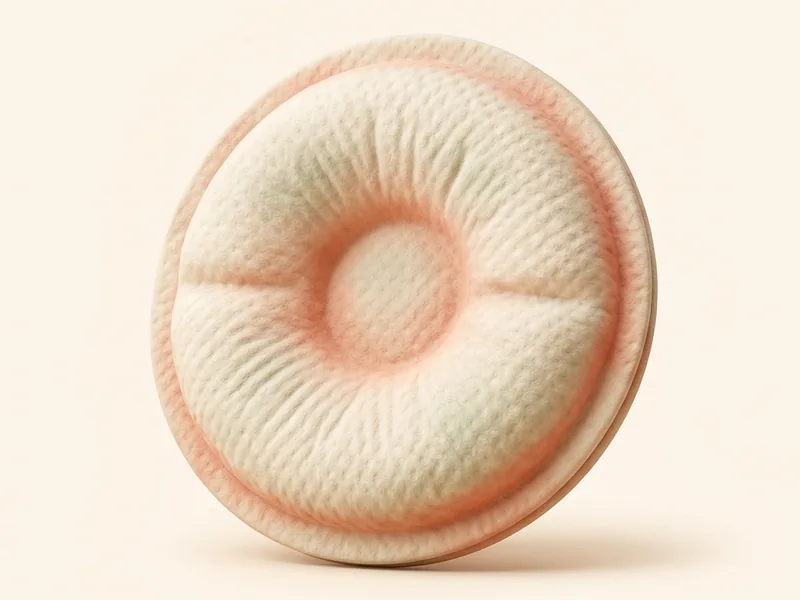
 Medela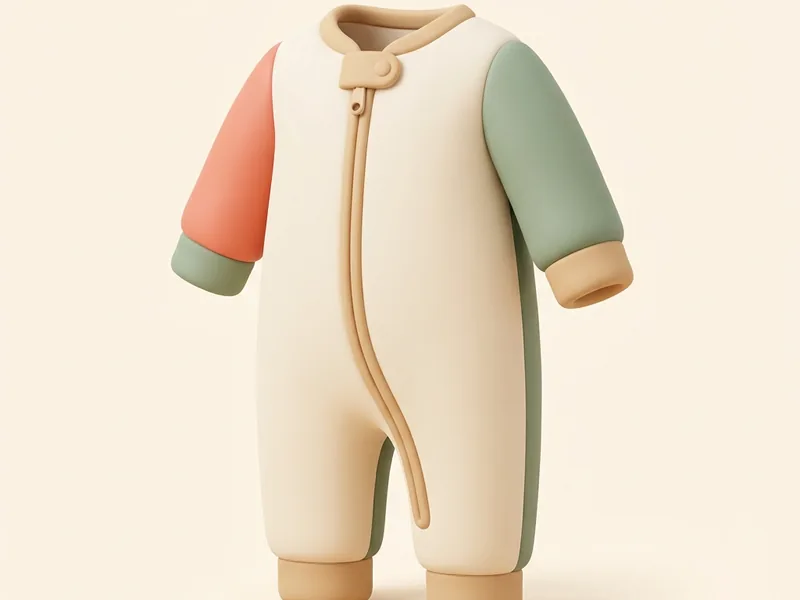
 Kyte
Kyte Carter’s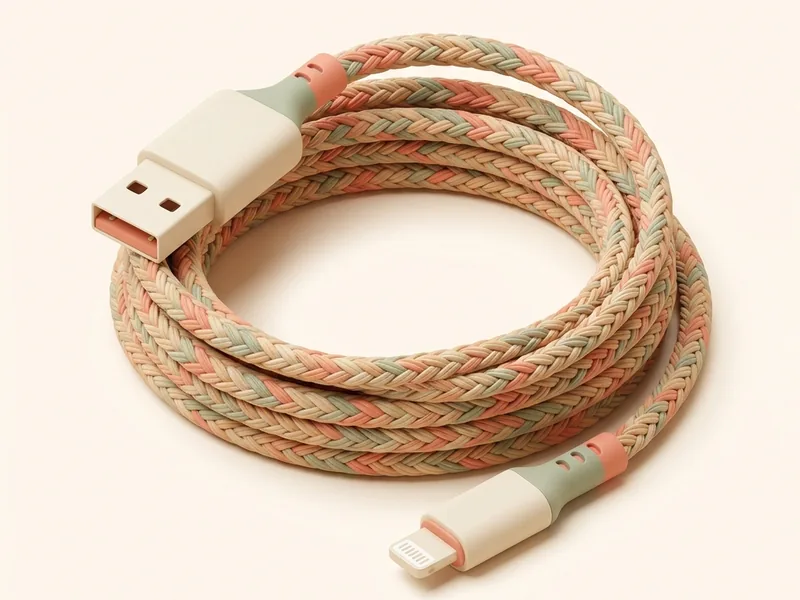
 Anker
Anker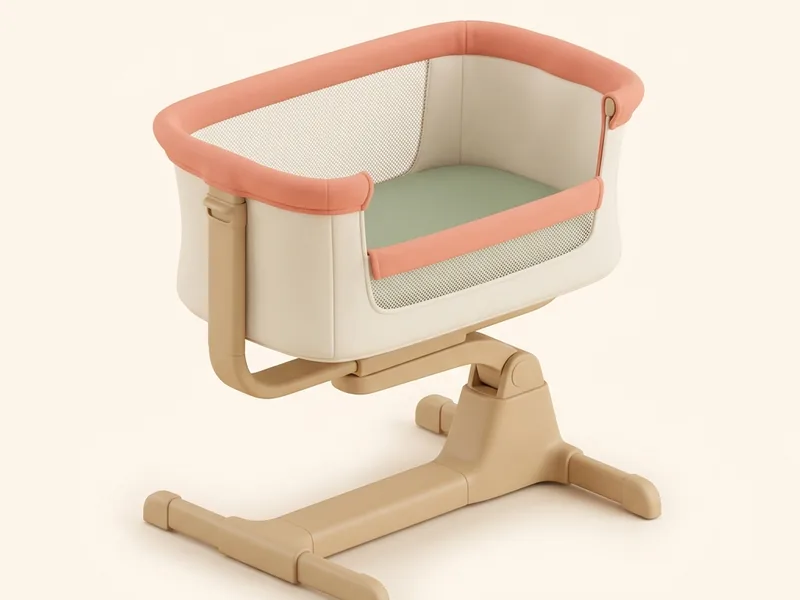
 HALO
HALO Chicco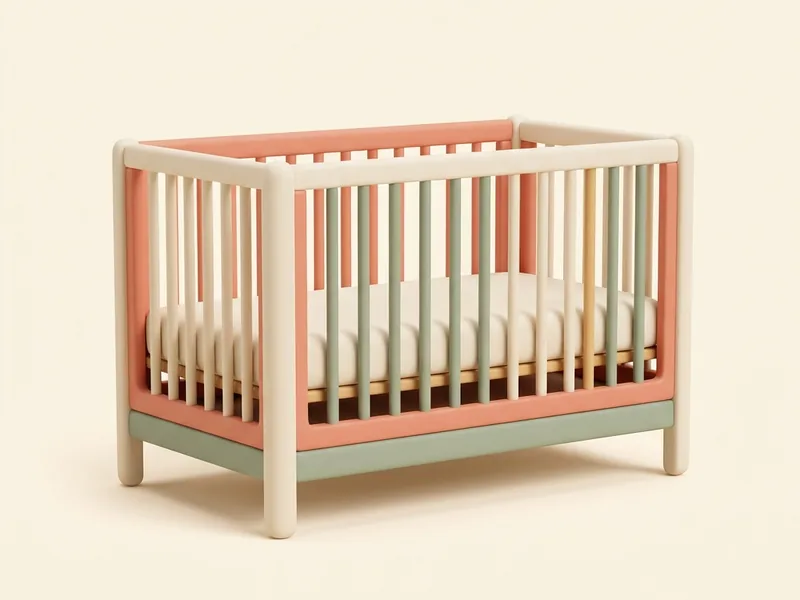
 Babyletto
 DaVinci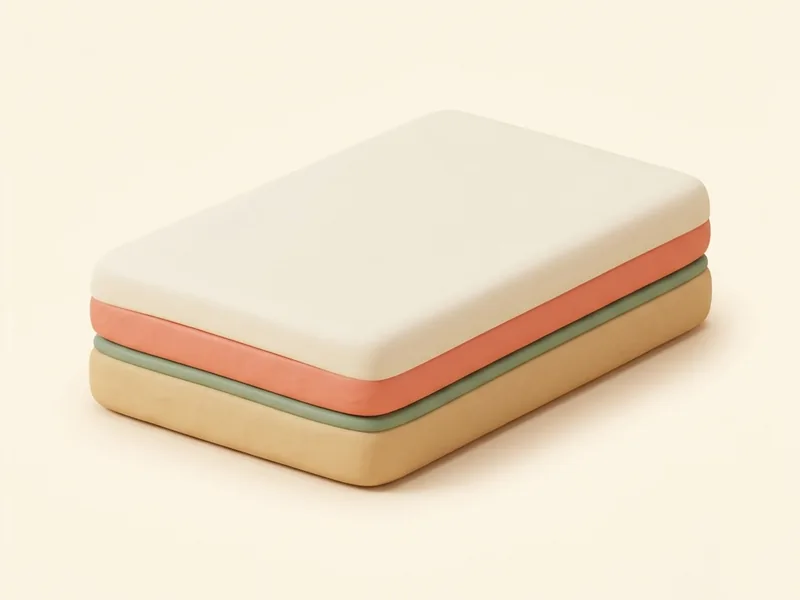
 Newton
 Naturepedic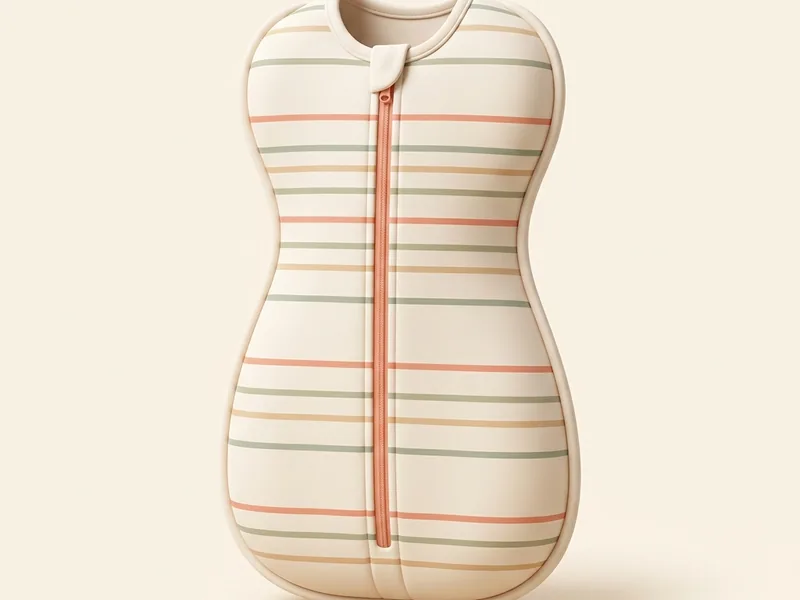
 Love To Dream
 Ollie
Ollie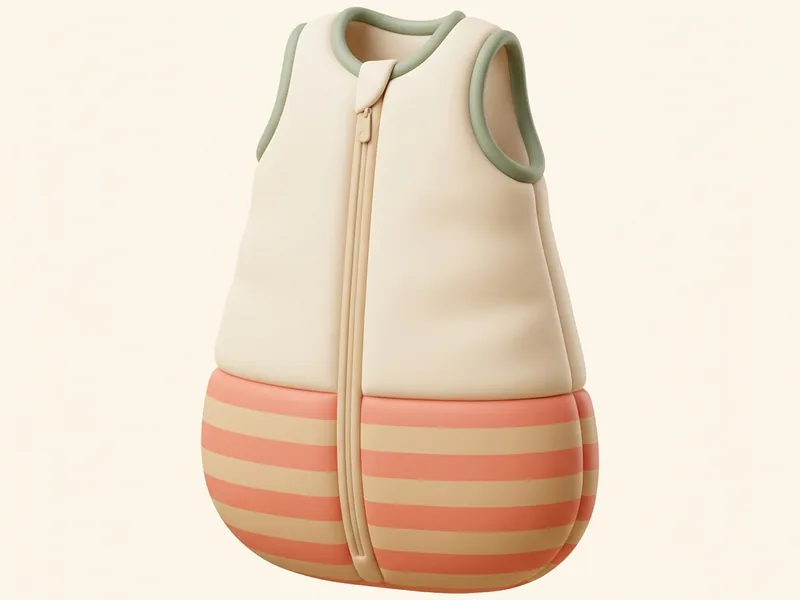
 Hatch
Hatch Yogasleep
 SlumberPod
 Gro Anywhere
 Nanit
Nanit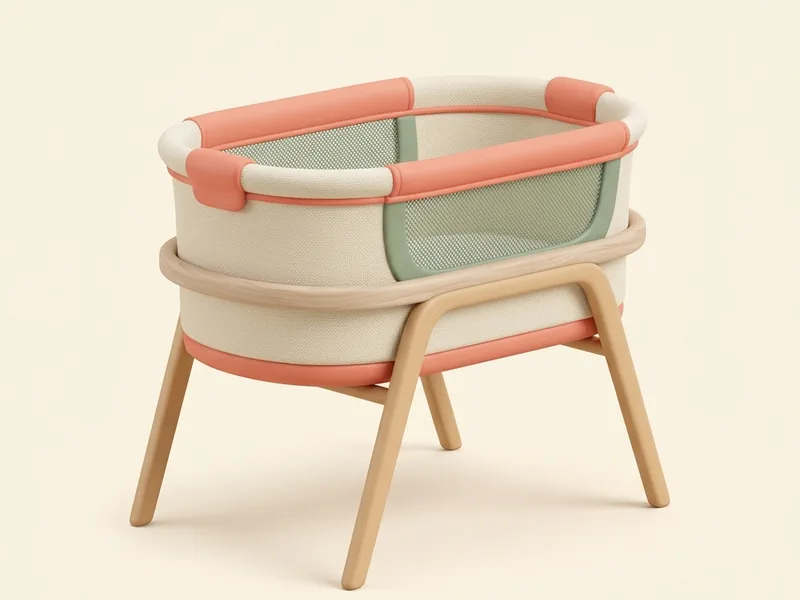
 Happiest Baby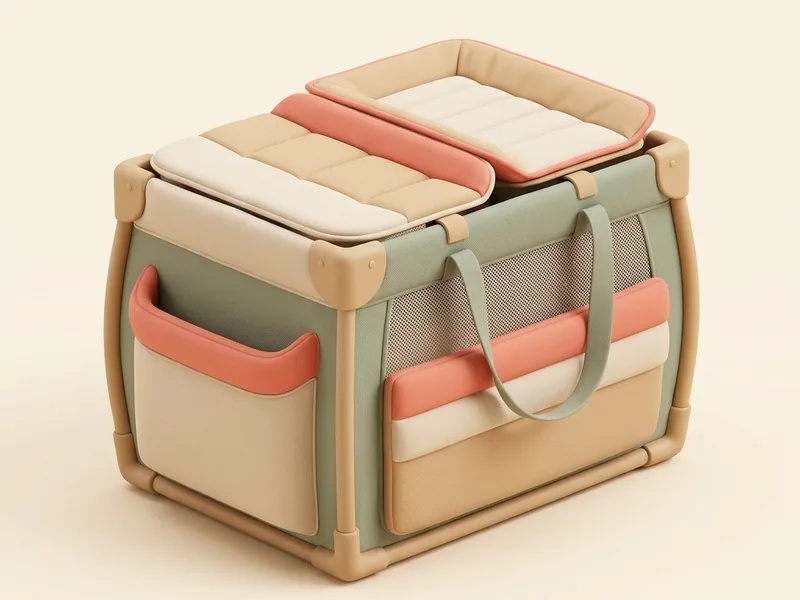
 Graco
Graco BabyBjörn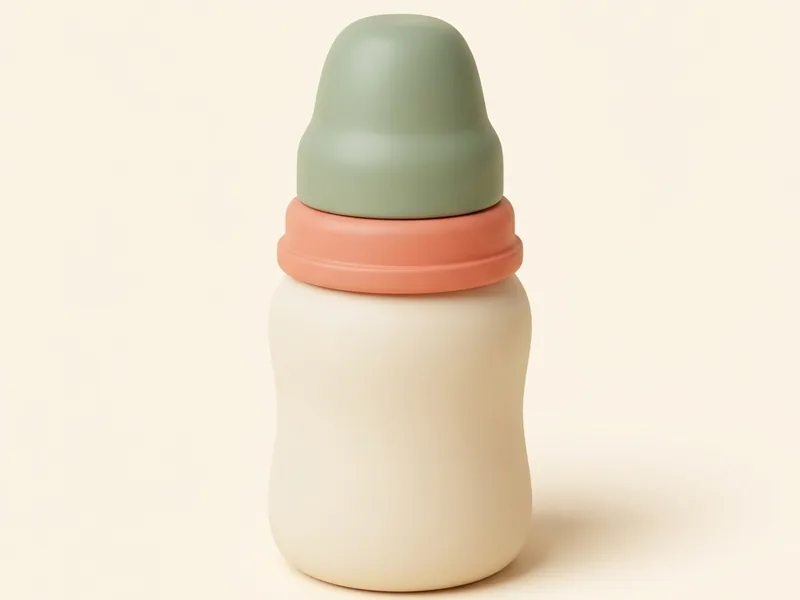
 Dr. Brown’s
 Comotomo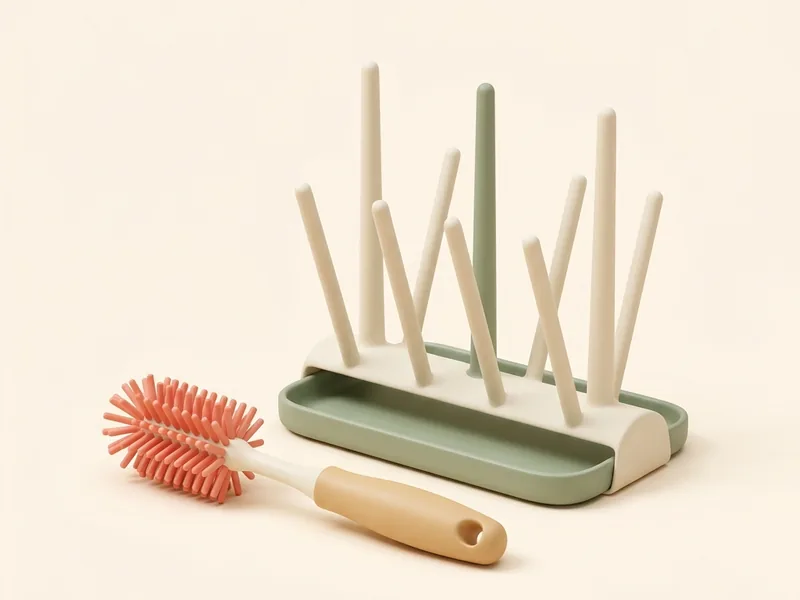
 OXO
OXO
 Gerber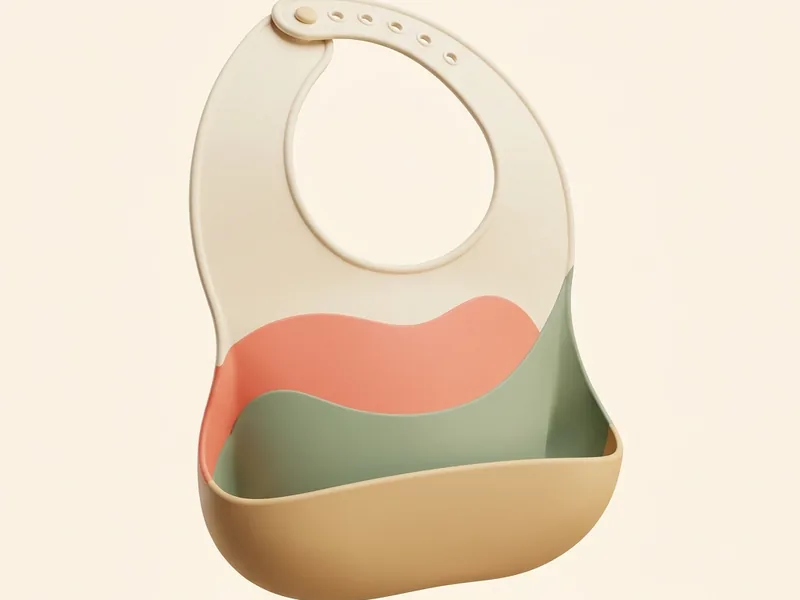
 Bumkins
 Mushie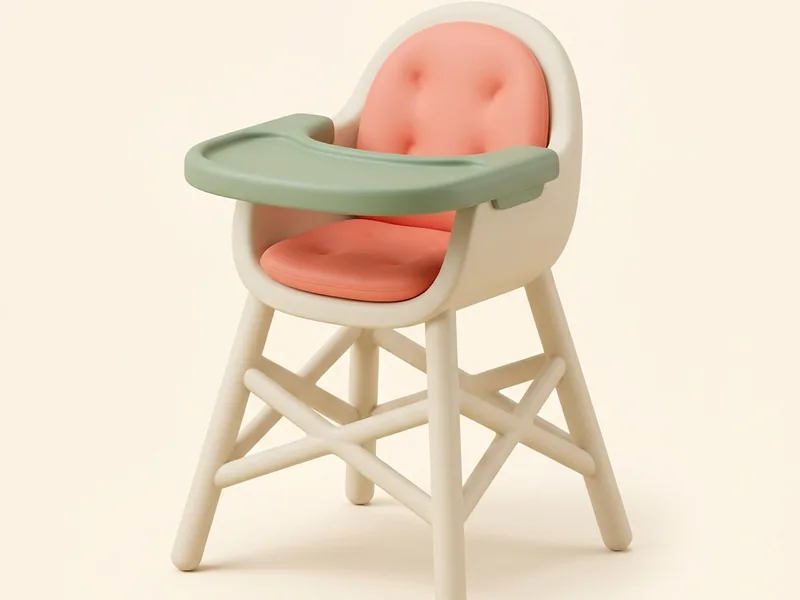
 Stokke Tripp Trapp
 IKEA Antilop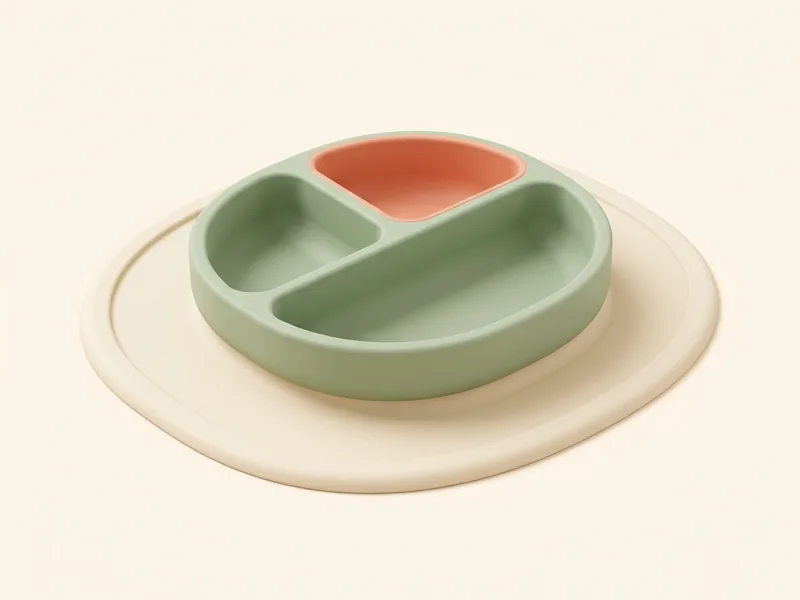
 ezpz
ezpz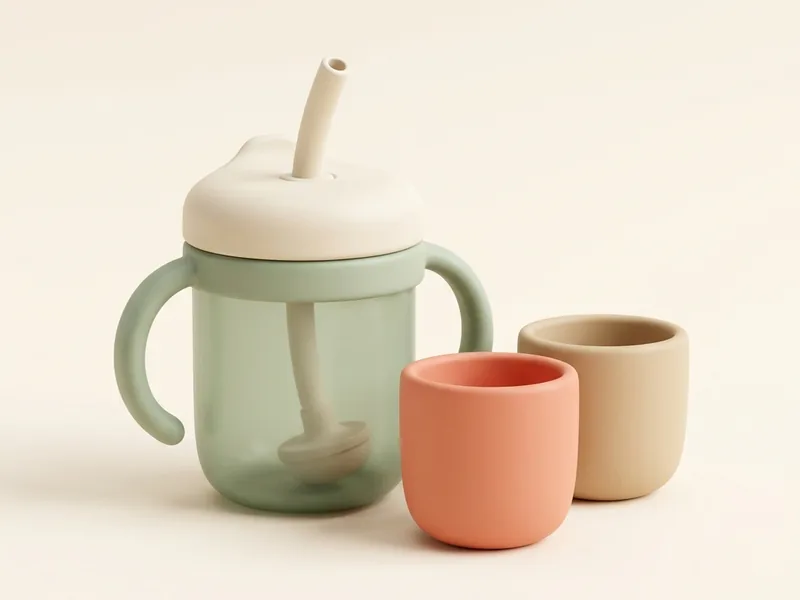
 Munchkin
 Baby Brezza
 Philips Avent
 BIBS
BIBS
 Boppy
Boppy My Brest Friend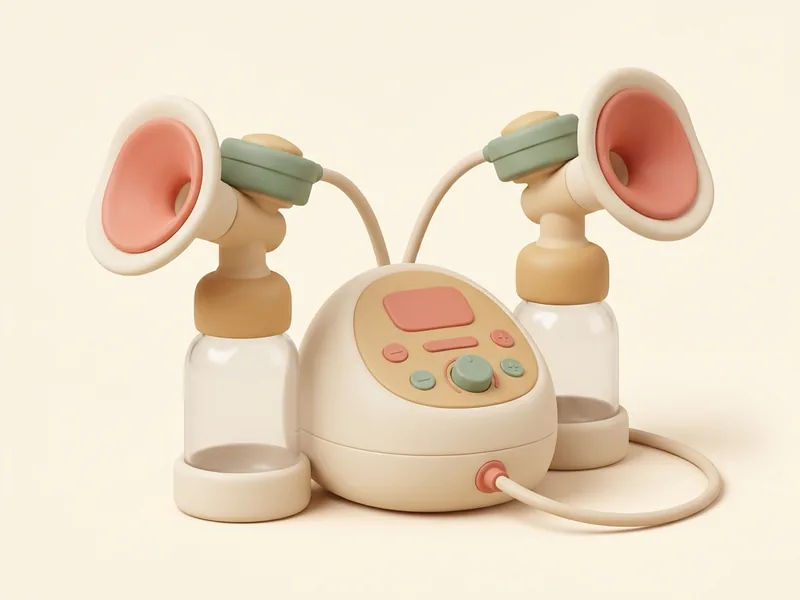
 Spectra S1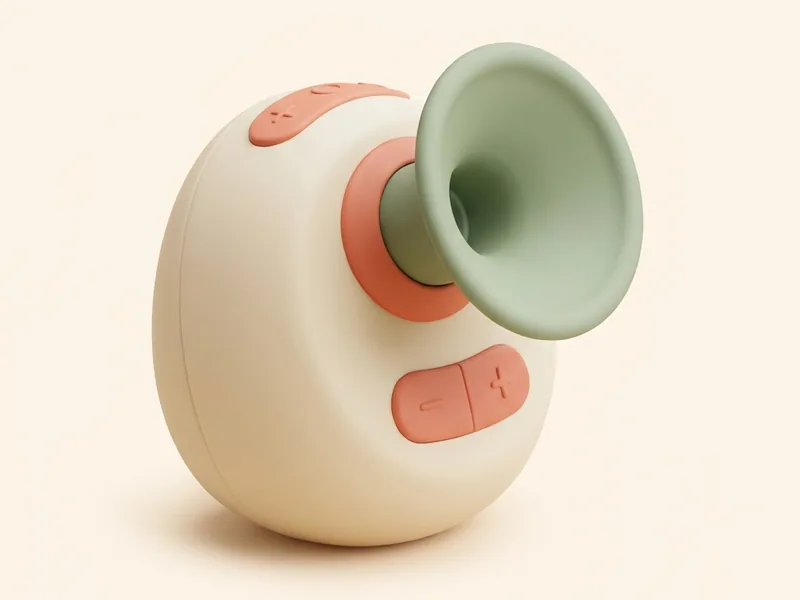
 Elvie
Elvie Willow
 Momcozy
 Kiinde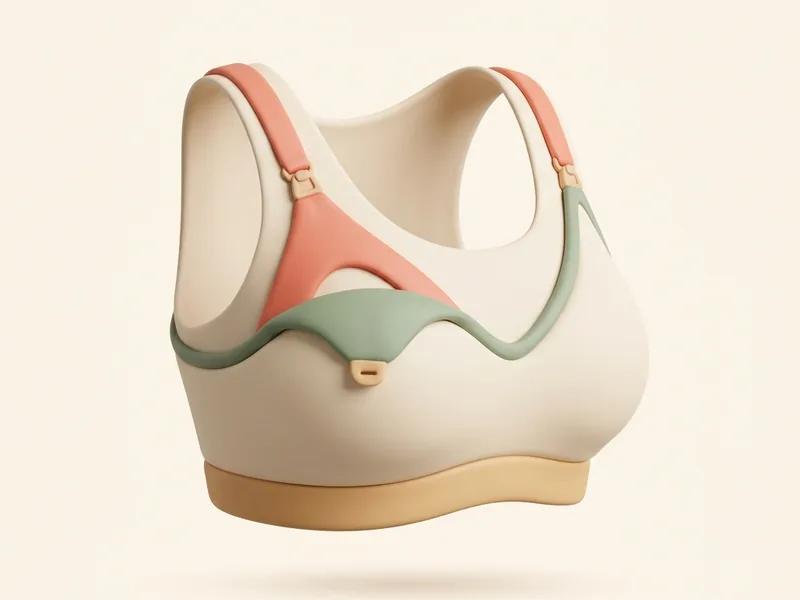
 Kindred Bravely
 Haakaa
 Simple Wishes
 Pampers Swaddlers
 Huggies
 WaterWipes
 Keekaroo
 Summer Infant
 Ubbi
Ubbi
 Aquaphor
 Boudreaux’s
 Skip Hop
 Angelcare
 Blooming Bath
 Burt’s Bees
 Aden + Anais
 Aveeno
 Cetaphil
 CeraVe Baby
 Nuna Pipa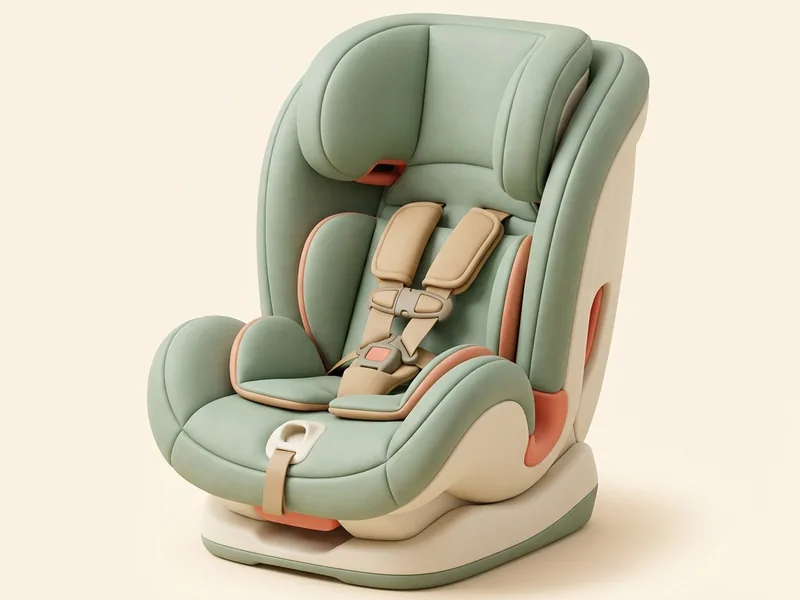
 Britax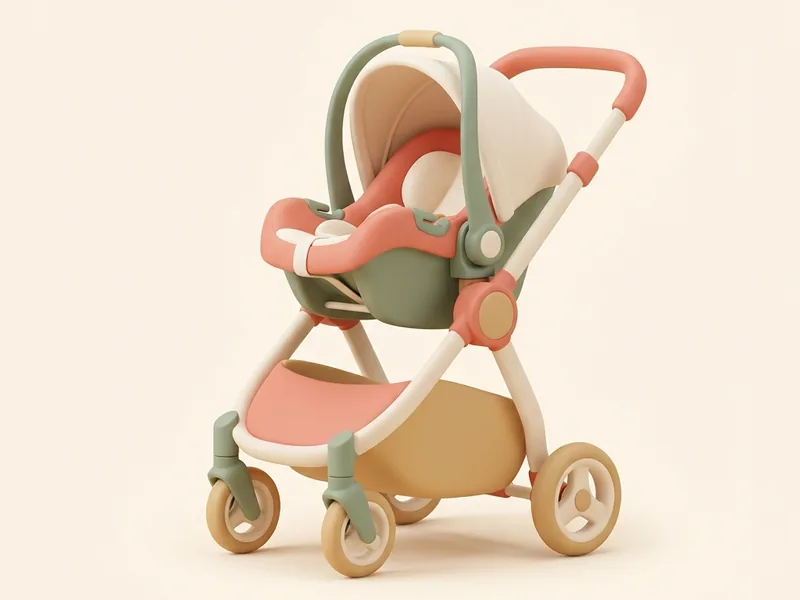
 UPPAbaby Vista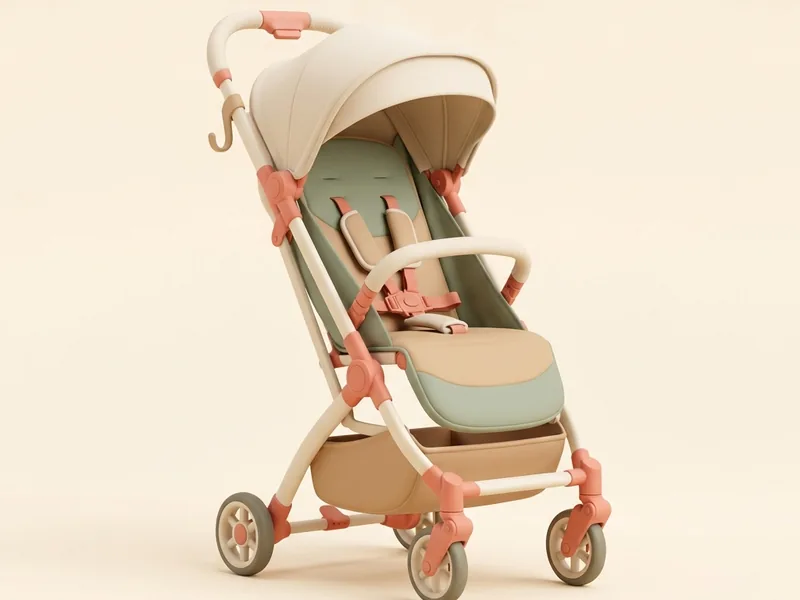
 Babyzen YOYO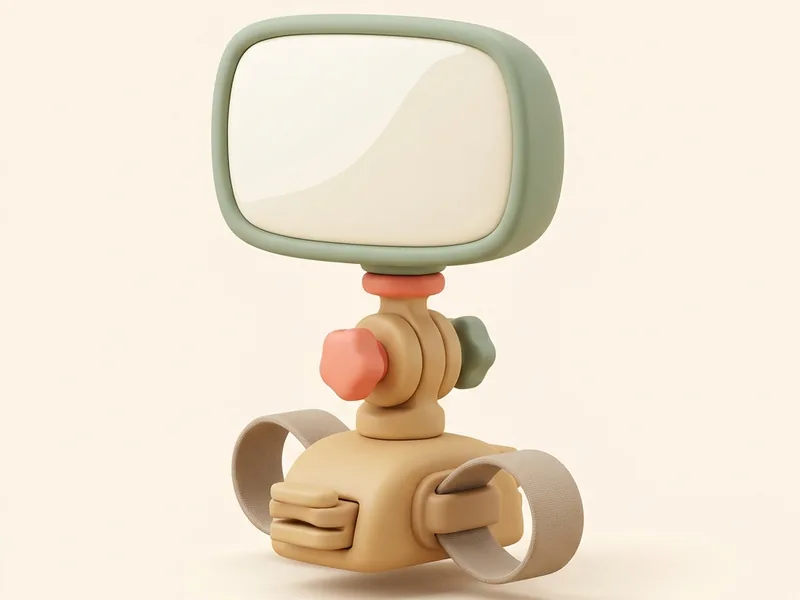
 Ju-Ju-Be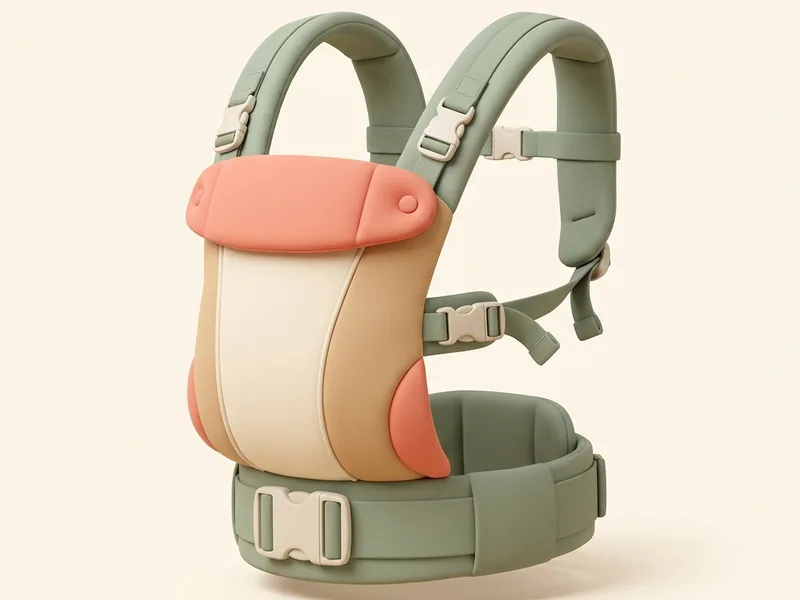
 Ergobaby Omni
 Solly Baby
 Boba
Boba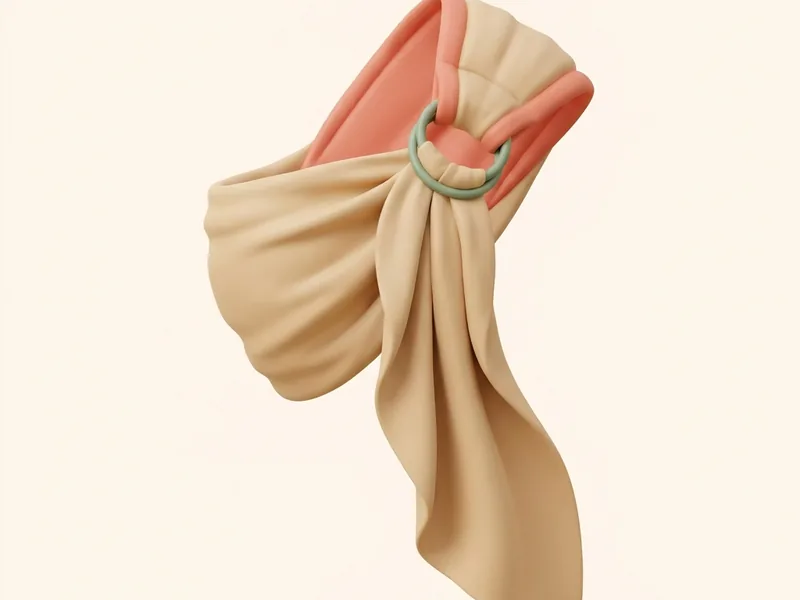
 WildBird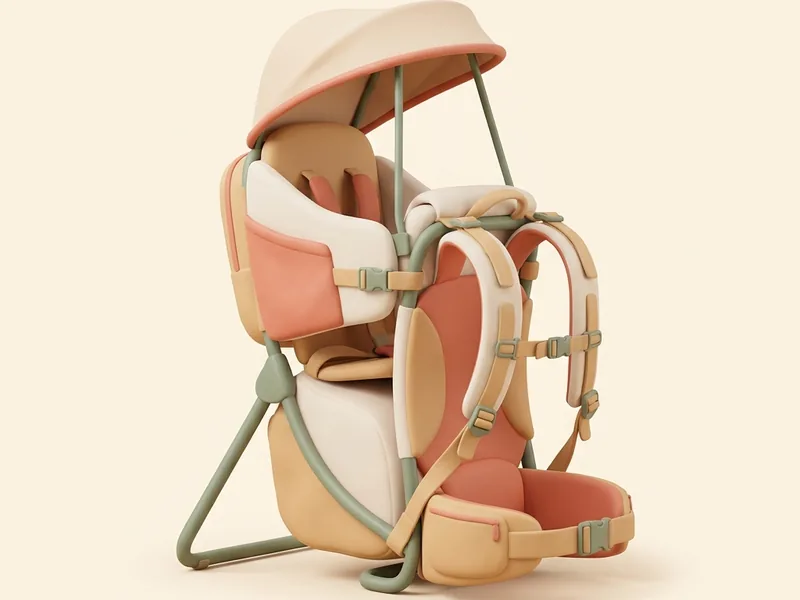
 Osprey Poco
 Deuter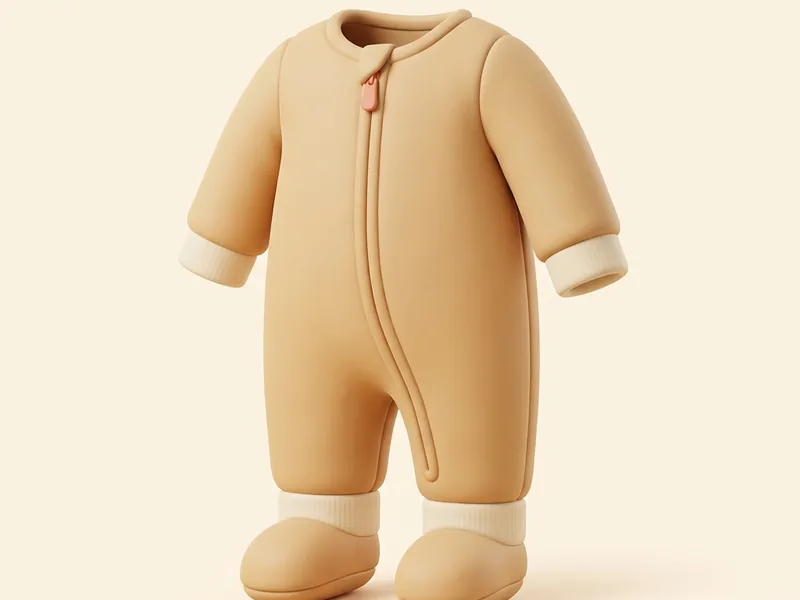
 Zutano booties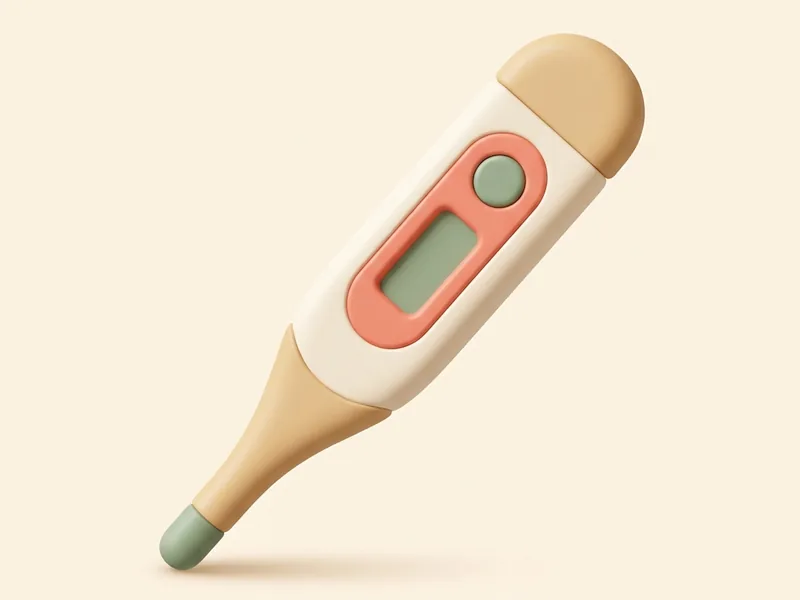
 Vicks
Vicks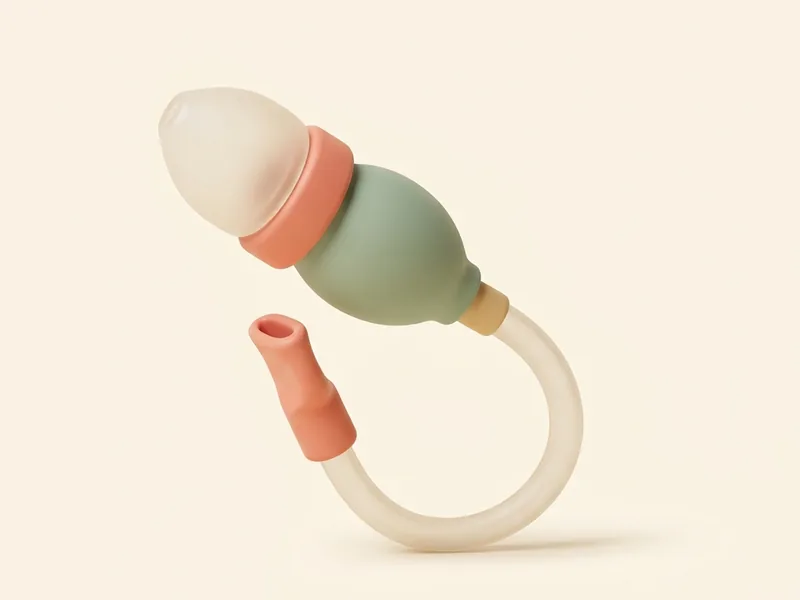
 Mylicon
 Little Remedies
 Safety 1st
 Honeywell
 Levoit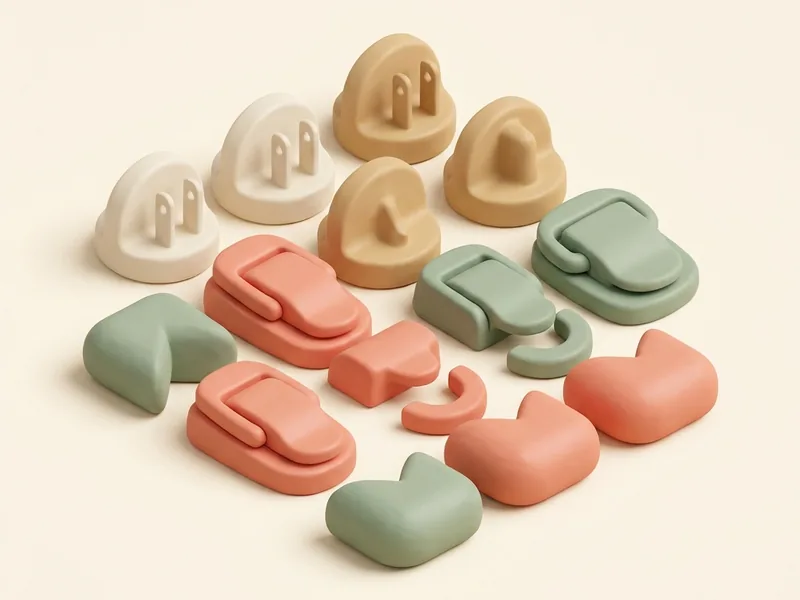
 Tylenol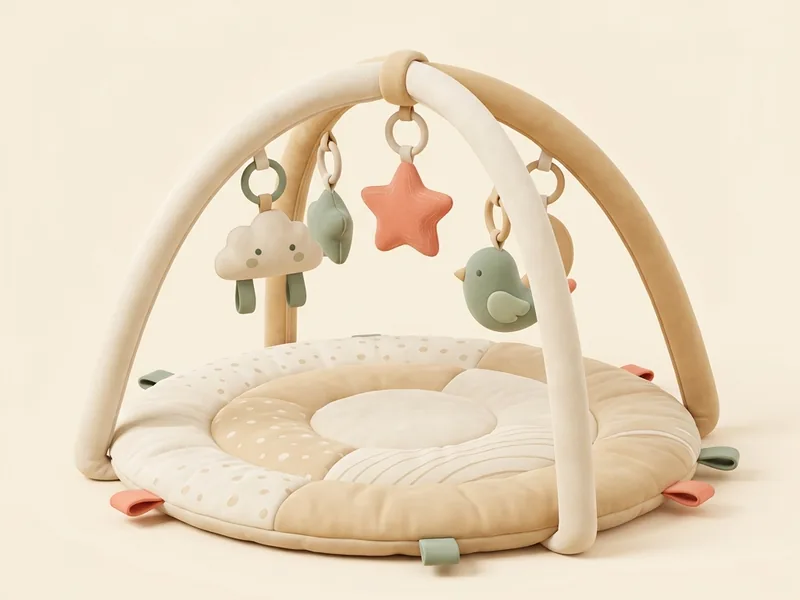
 Lovevery
 Fisher-Price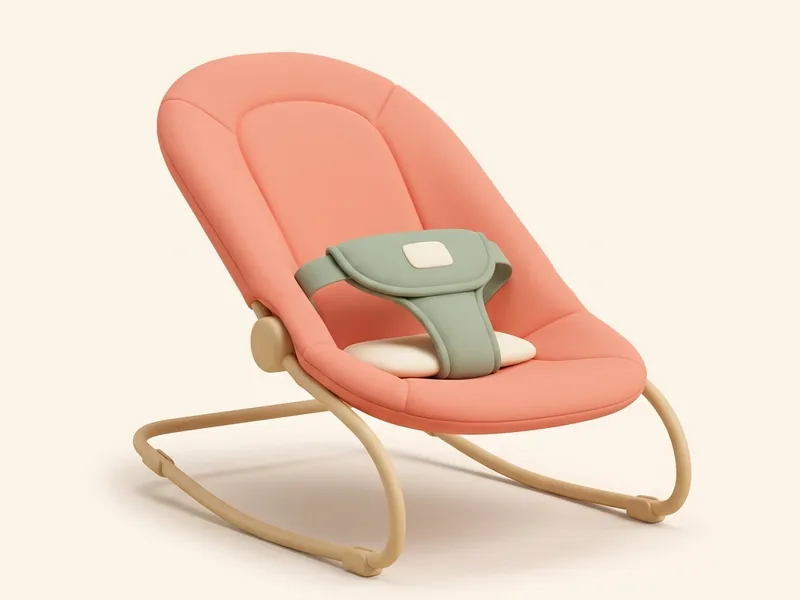
 Sassy
Sassy Manhattan Toy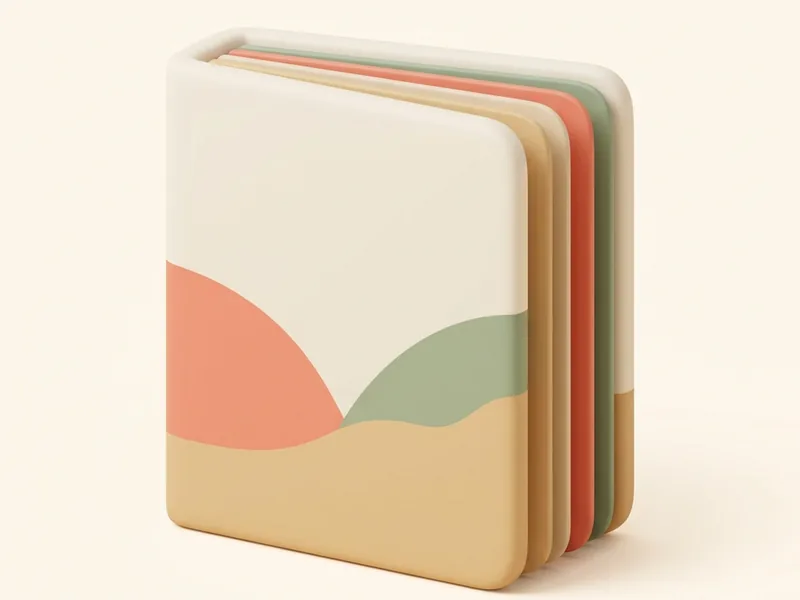
 Radio Flyer
 VTech
VTech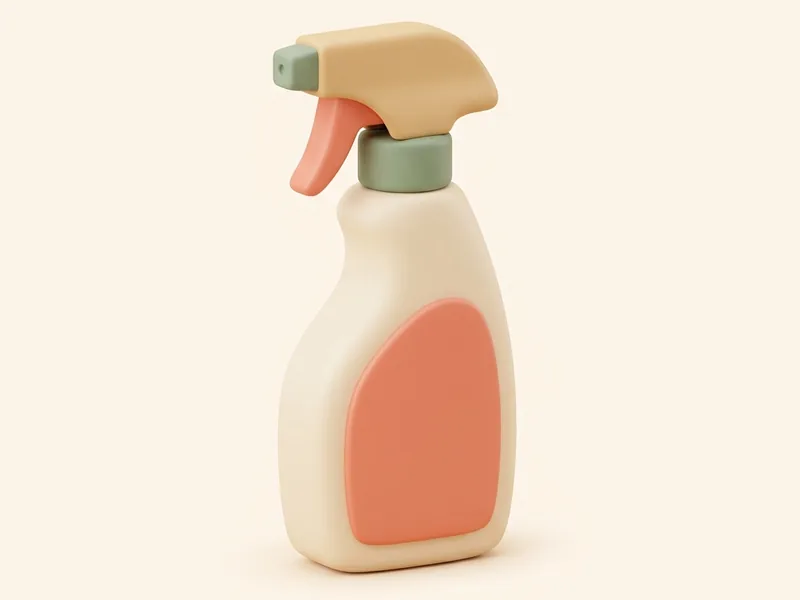
 Colace
 Stanley
 Owala
Owala
 Belly Bandit
 RXBAR
RXBAR Made Good
 Depends
 Tucks
Tucks
 Delta
Delta
 Little Unicorn
 American Baby Company
 VAVA
VAVA
 Tide Free & Gentle
 All Free & Clear