As an Amazon Associate we earn from qualifying purchases. Every product link here is an affiliate link — it costs you nothing extra and never changes what we recommend.

Nursing & Pumping

7 picks · The gear no one warns you about until 3am.

A firm, strapped nursing pillow keeps baby level with your breast, so you are not holding their weight with your shoulders through eight feeds a day. Do not buy an expensive pump before checking insurance or provincial coverage.

7 picks
Stage
Budget
Show
Nursing Pillow — Strapped, firm nursing pillow★ Top pick

Nursing Pillow

BoppyMy Brest Friend

Strapped, firm nursing pillow.

Feeding takes 45 minutes and happens eight times a day. The strap and firm, flat surface make positioning easier while supporting your arms and back. If a regular pillow and armrest already work, skip it.

Tip: Bring your nursing pillow to the hospital

$$$$Newborn3–6m
See it on Amazon.com
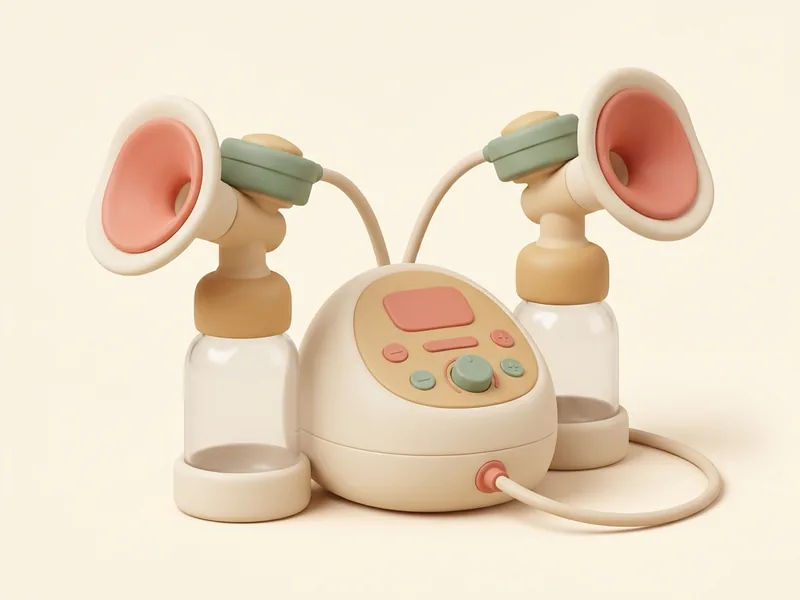
Double Electric Breast Pump — A battery-powered double electric breast pump★ Top pick

Double Electric Breast Pump

Spectra S1Medela Pump In Style

A battery-powered double electric breast pump.

If you plan to pump, a double electric pump lets someone else do a feed and saves your hands versus a manual. Choose a battery-powered model so you are not tied to a socket. Check insurance or provincial coverage first.

Tip: Buy multiple sets of pump parts

$$$$BumpNewborn3–6m
See it on Amazon.com
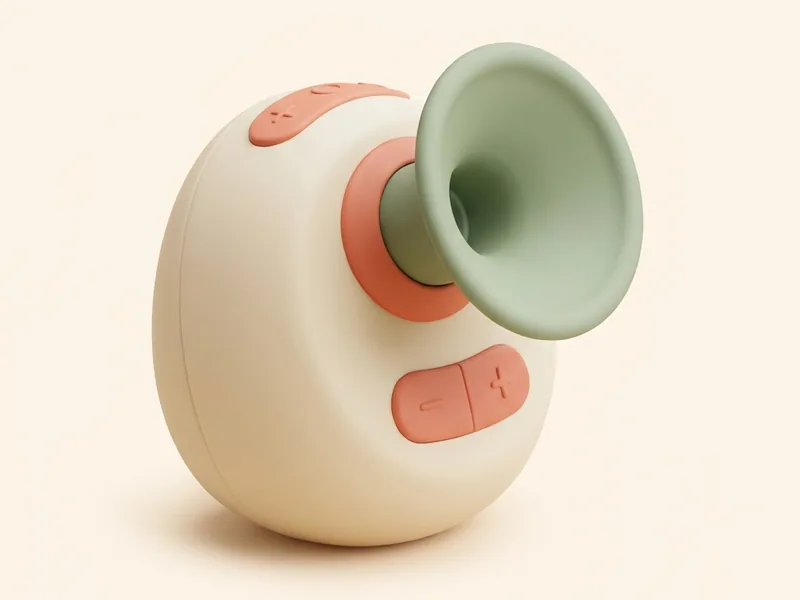
Wearable Pump — Cordless cups that sit inside a bra✦ Worth the splurge

Wearable Pump

ElvieWillowMomcozy

Cordless cups that sit inside a bra.

Lets you pump while working, travelling or caring for the baby. Keep a regular pump too: wearables do not always empty you as well.

$$$$Newborn3–6m
See it on Amazon.com
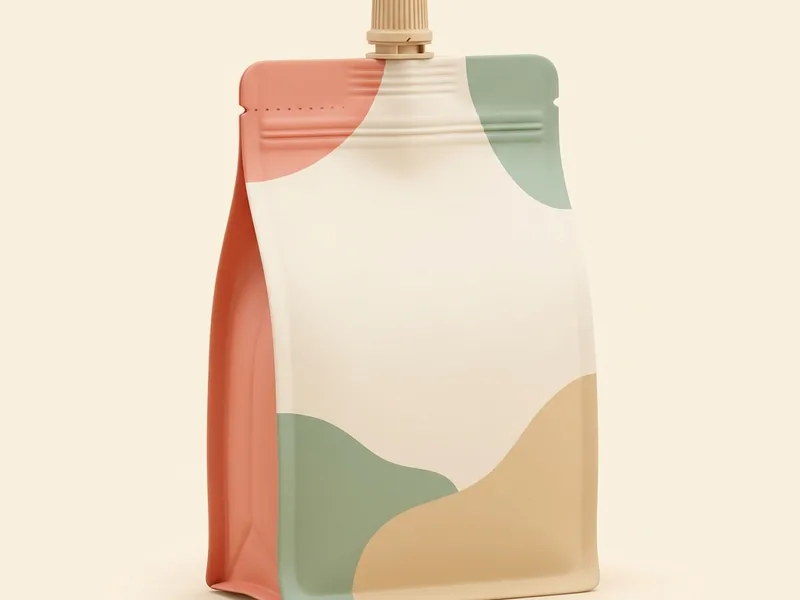
Breast Milk Storage Bags — Pre-sterilised breast milk freezer bags

Breast Milk Storage Bags

LansinohKiinde

Pre-sterilised breast milk freezer bags.

Freeze them flat so they stack like files. Do not stock up until you know you will pump; nursing without pumping leaves them unused.

$$$$Newborn3–6m6–12m
See it on Amazon.com
Nursing Bras & Tanks — Sleep, nursing, and hands-free pumping bras

Nursing Bras & Tanks

Kindred Bravely

Sleep, nursing, and hands-free pumping bras.

Get a sleep bra for the fourth trimester and one hands-free pumping bra; it holds pump parts against your breasts. Two-in-one designs let you nurse without changing bras. Buy after your milk comes in if you can; sizing beforehand is a guess.

$$$$BumpNewborn3–6m
See it on Amazon.com
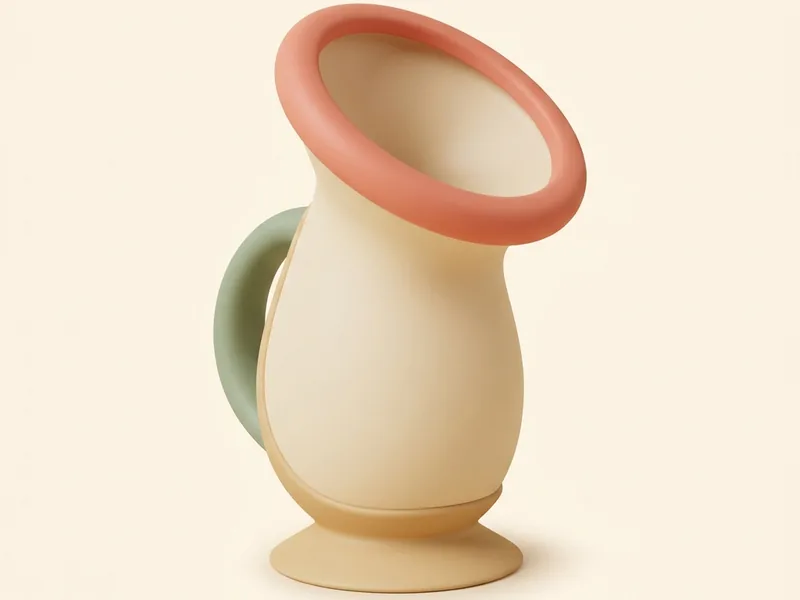
Silicone Milk Collector — A suction cup that catches letdown on the other side✧ Underrated

Silicone Milk Collector

Haakaa

A suction cup that catches letdown on the other side.

It catches letdown from the breast you are not feeding on, saving milk that would soak a nursing pad. The suction can draw out more milk than you want, so a no-suction bra collector suits simple leaking better.

$$$$Newborn3–6m
See it on Amazon.com
Hands-Free Pumping Bra — Holds the flanges so you don’t have to✧ Underrated

Hands-Free Pumping Bra

Kindred BravelySimple Wishes

Holds the flanges so you don’t have to.

Without one, you sit still holding two funnels for twenty minutes, eight times a day. With one, you can eat, work or hold the baby. Get the right flange size too.

$$$$Newborn3–6m6–12m
See it on Amazon.com
🔍

Nothing matches that

No picks match every filter at once. Loosen one and they will come back.

Learned the hard wayThe things people only tell you afterwards

Buy multiple sets of pump parts

Pumping every 2–3 hours can mean eight sessions a day. Washing and drying after each session eats the little downtime you have. Extra flanges, valves, and bottles let you batch cleaning once daily and keep sessions on schedule.

17 parents said this

Nursing & Pumping: what parents work out the hard way

Advice that came up again and again — the practical things nobody puts on a box. Where a count is shown, it is how many separate parents independently gave that same advice.

  • Get your breast pump through insurance

    In the US, health insurance covers a breast pump at low or no cost. Order through your plan’s in-network supplier and skip listing a second pump. Save registry funds for parts, extra flanges, and hands-free bras.

    15 parents said this

  • Keep a mini fridge in the bedroom

    Cold storage at arm's reach means 2am bottles and fresh pump sessions stay safe without walking to the kitchen. You cut stairs and lights-on time, so feeds are quicker and you go back to sleep sooner.

    8 parents said this

  • Measure your nipples and buy the right flange

    Default flanges are often 24-28 mm and may not fit. Measure nipple diameter and add 1-3 mm to choose. Correct fit reduces pain and pinching and improves milk transfer and output; wrong sizes rub and waste sessions.

    8 parents said this

  • Keep a manual breast pump as backup

    A hand pump works with no power and few parts, so you can relieve engorgement or pump a feed during outages or travel. It's cheap, small, and fast to assemble at 3am when the electric fails.

    8 parents said this

  • Catch letdown with a silicone pump while nursing

    Suction a silicone collector onto the breast your baby isn’t on. The letdown reflex releases milk from both sides; this captures what would soak a pad and builds a stash with no extra time or hands.

    6 parents said this

  • Keep a mini fridge in the bedroom for milk

    It keeps milk at 4°C next to the bed, so you aren’t walking the house at 3am. Choose a compressor mini fridge; drinks coolers often only reach about 10–15°C, which isn’t cold enough for safe milk storage.

  • Bring your own pump to the hospital

    Staff can size your flanges on your actual pump and walk you through settings on day one. Correct fit prevents pinching and poor output when supply is being set by 8–12 sessions in the first days.

  • Get a hands‑free pumping bra

    It holds the flanges in place so suction stays sealed without your hands. Early on you may pump 20–30 minutes, 8 or more times a day; hands‑free turns hours of holding plastic into usable time.

Nursing & Pumping: common questions

Do you need a breast pump if you plan to nurse?

Most people are glad of one even when nursing goes perfectly. A pump lets a partner take a night feed. It covers a return to work, and it is the tool for relieving engorgement in the early weeks. Check coverage first. Pumps are frequently paid for by insurance or a provincial plan.

Are wearable breast pumps as good as regular ones?

They are less powerful than a hospital-grade double pump, so they suit maintaining supply rather than building it. Where they win is pumping while doing something else, which makes returning to work workable. Many people own both.

How long does breast milk keep?

Broadly: about four hours at room temperature, four days in the fridge, and six months in a freezer (up to twelve in a deep freeze). Freeze flat in dated bags so they stack. Follow your own health authority’s figures; guidance varies slightly by country.

What helps with sore nipples in the first weeks?

Lanolin or a plant-based balm after every feed, breathable pads changed often, and, most importantly, getting the latch checked. Persistent pain past the first two weeks usually means a latch problem, not something you have to endure; a lactation consultant is worth the appointment.

Browse the rest of the list